Hello everyone,
Some of you may already be partly aware of this.
During my first Unitour in 2009, I discovered the Schlumpf 2-speed hub. This gave me the idea of developing my own hub design, but with 3 speeds and still using an epicyclic gear system. I’d presented this project to Kris Holm, who saw no intrest in having a gear ratio below 1 to help with climbing hills; Roger Davis (UDC UK / Nimbus / Impact), on the other hand, had shown much more interest. At Unicon 16 in Italy, I had a lengthy discussion with Florian Schlumpf, who was unwilling to collaborate on developing it together. The project had reached an intermediate stage of theoretical development with the help of Martin Charrier when he joined the same company as mine, and we’d work in the evenings or at weekends to convert my 2D concept into a 3D CAD model. This project ultimately came to nothing when, three years ago, I realised it wasn’t viable, so I revisited an idea I’d previously abandoned as it resulted in a large and heavy hub.
This is the new project I’ve been working on for the past three years – this time with four gears – still featuring a gear ratio for climbing hills, a gear around 1, plus two overdrive gears, with the gap between each gear half that of the Schlumpf, and handlebar gear changes via a twist grip. To achieve this, I’m working with the expertise of a French SME, Effigear, which has been designing and manufacturing 9-speed gearboxes for mountain bikes and cargo bikes for over 15 years, including the development of a 48V electric-assist version in collaboration with a major French automotive supplier. A huge thank you to the Effigear team: David, Jean and Vincent, who are helping me make this dream a reality!
An intermediate milestone was reached just over a year ago with a prototype based on a bicycle fitted with the Effigear gearbox, but using my freewheel-less gear-changing system and with just three gears to keep things simple. This prototype demonstrated that there was potential to take things further; it was tested on several occasions by Maxence Cornaton and Martin Charrier, and I also tried it out – and it was on this basis that we began work on five complete prototypes.
The original plan was to showcase a prototype this summer in Austria at Unicon, but that didn’t work out and the focus has now shifted to the CFM French Cup taking place at the end of this month in Voiron.
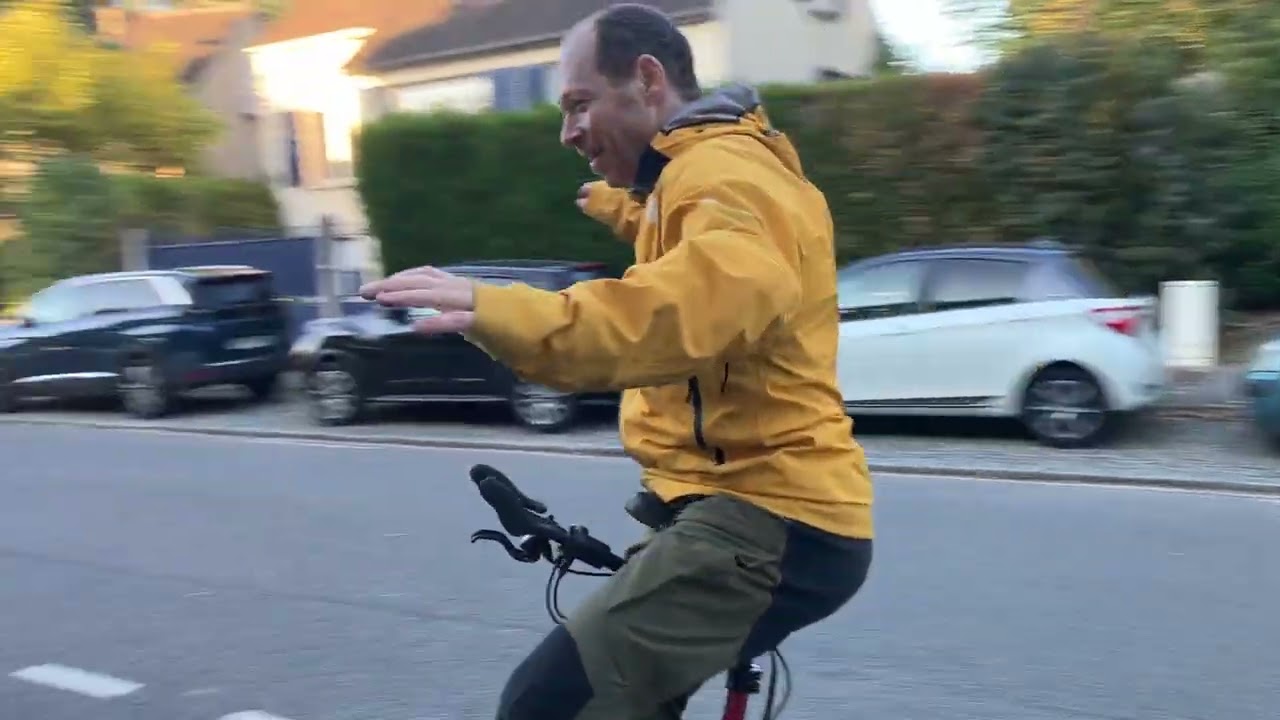
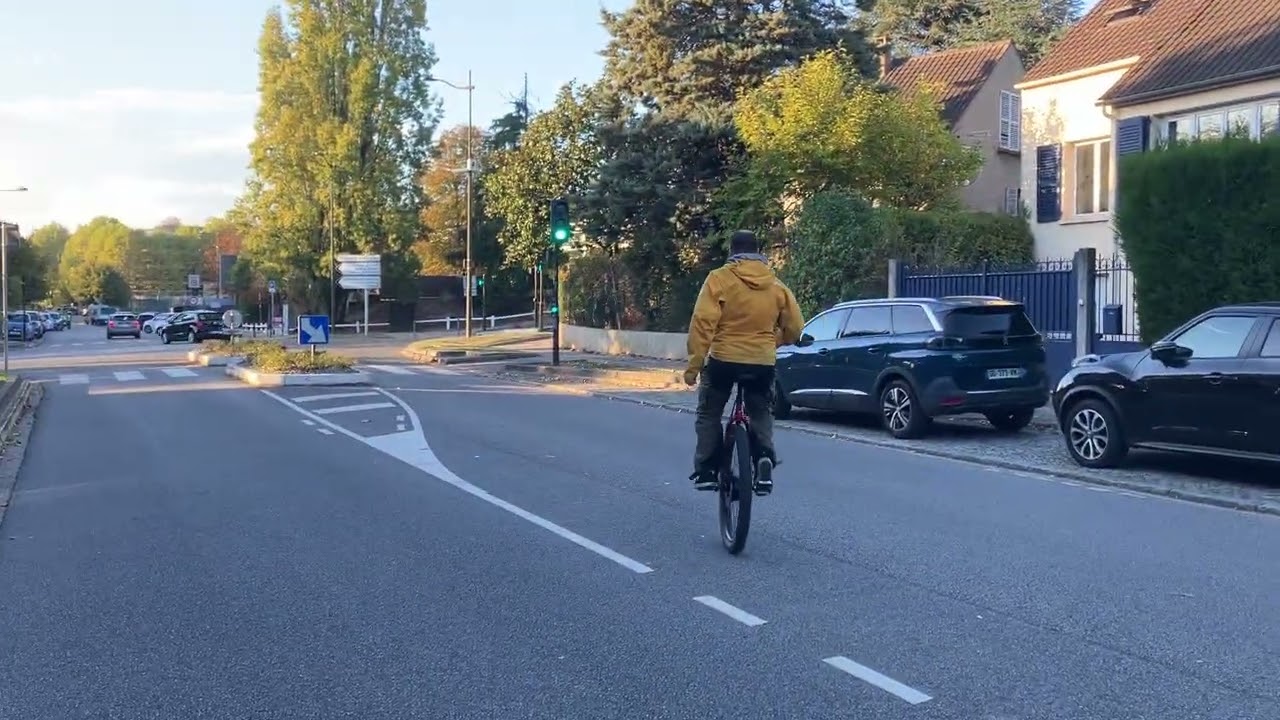
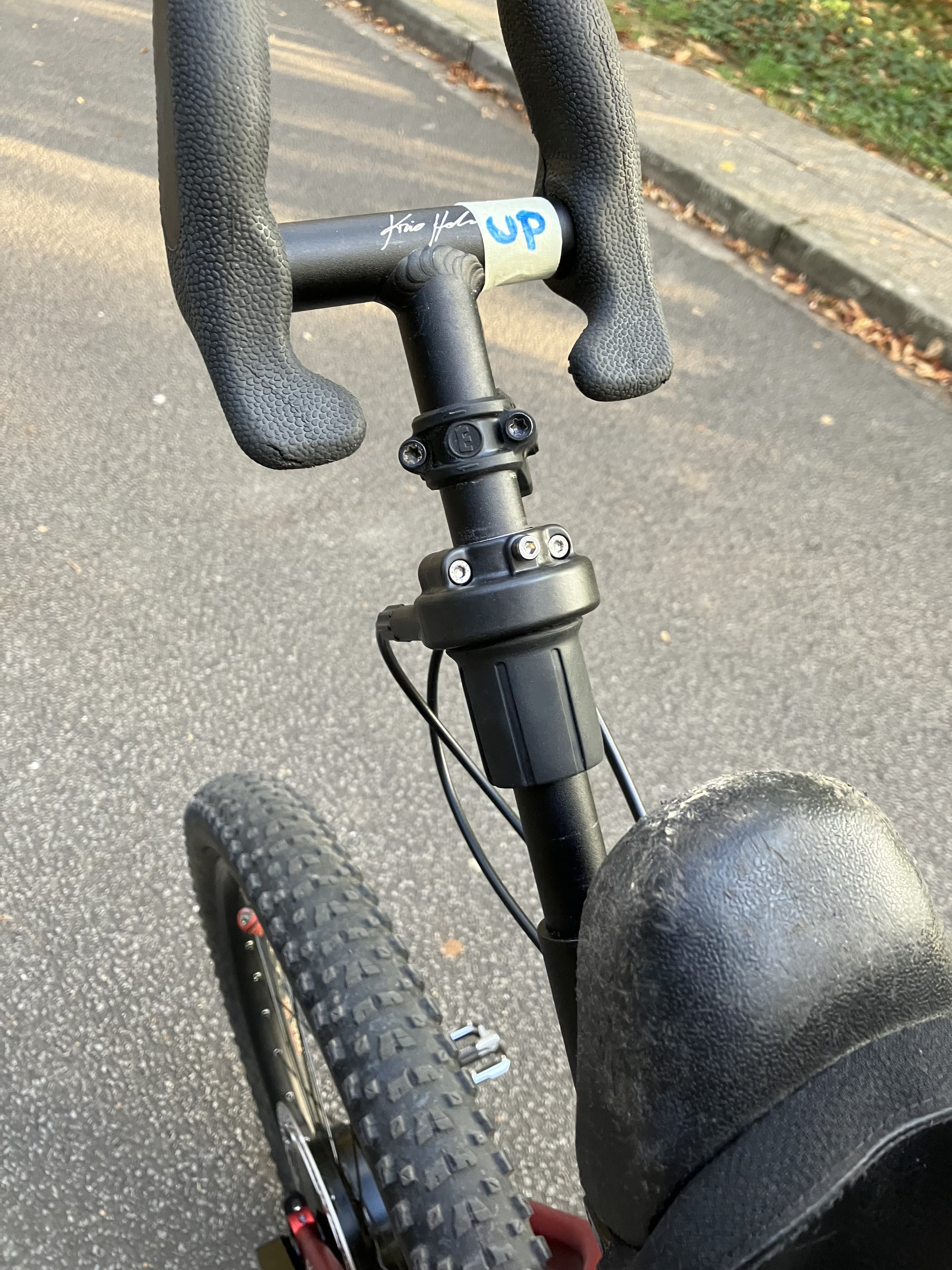
Yesterday saw the very first test ride by my son Mathieu of the 29” Muni prototype, and so far it’s going very well: Crank play comparable to the Schlumpf, very minimal crank rotation gap when changing gears, very practical gear control via a twist grip on the handlebars, smooth and immediate gear changes, no freewheel, the ability to change gears whilst stationary, including the option to shift into a lower gear by bouncing on the spot before tackling a steep climb without having to put a foot down …
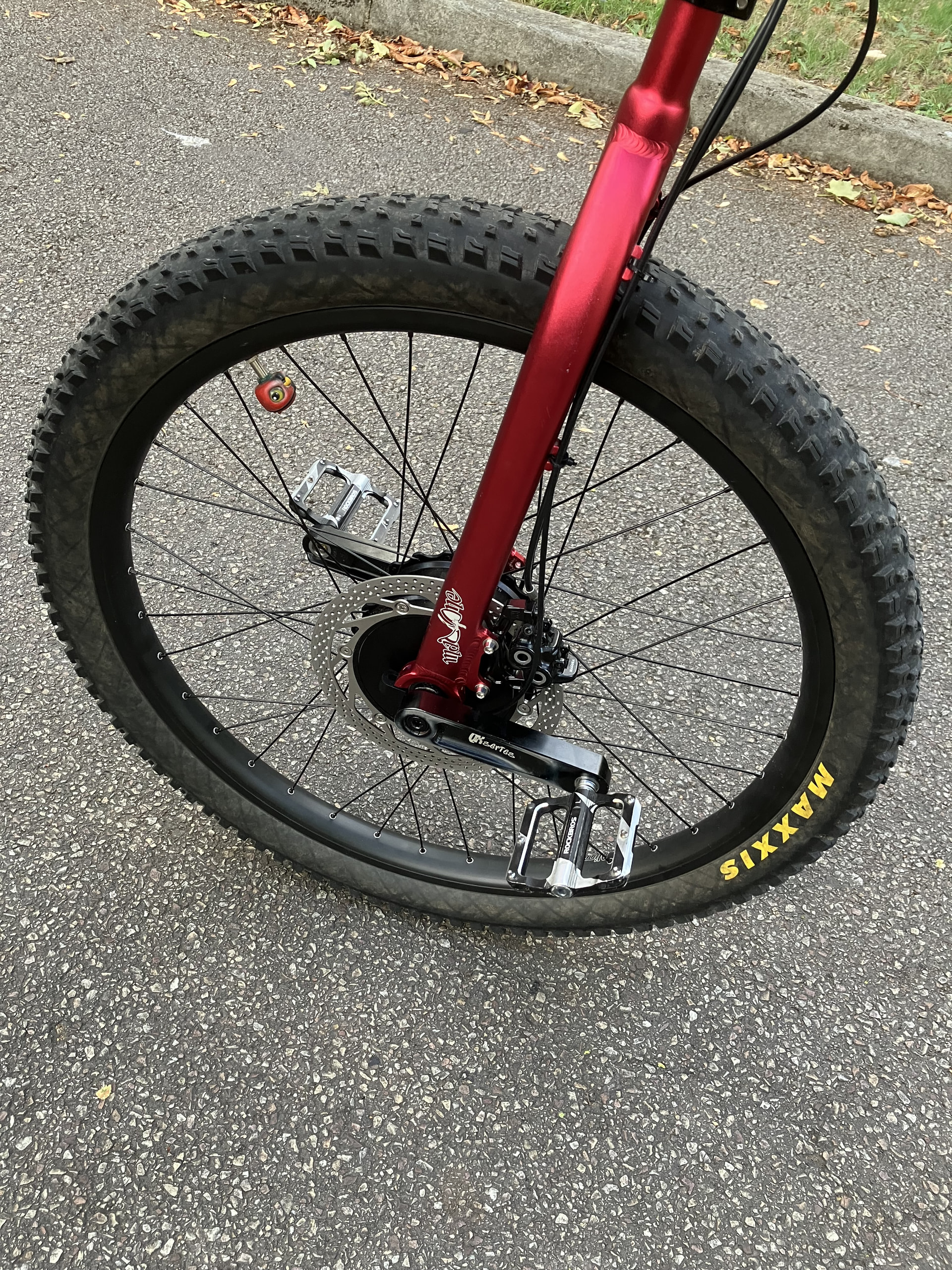
The hub is compatible with frames from major brands that have a 100mm bearing centre-to-centre distance: Mad4One, KH, Nimbus, QX RGB. The system preventing the hub from rotating within the frame is managed by special bearing cages that replace the frames’ original bearing cages; there are two versions: one compatible with all these brands except RGB, and one specifically for RGB (which has had a design flaw for over 20 years).
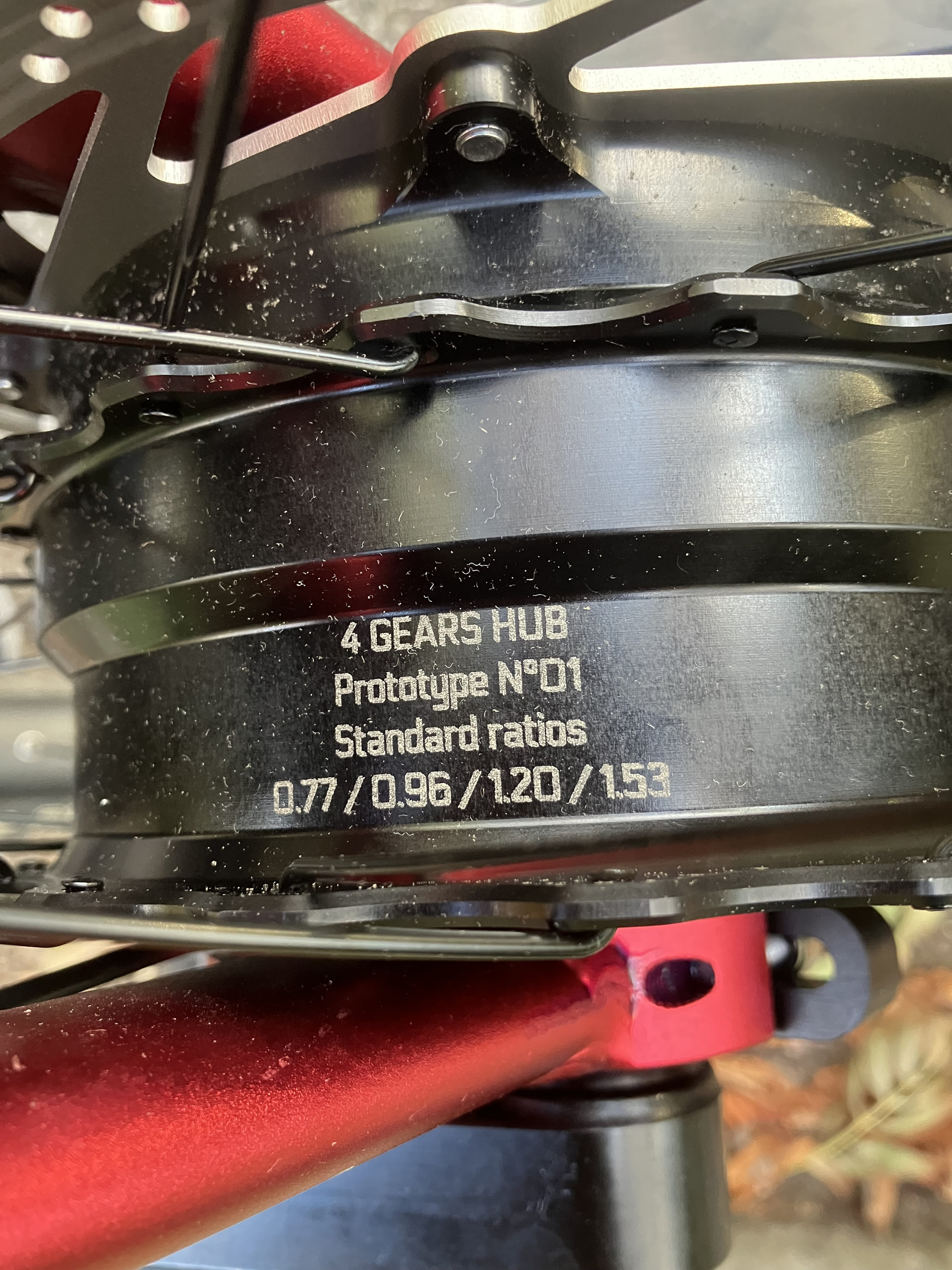
This first prototype (part of a series of five batches of parts put into production) is fitted with the following gear ratios: 0.77 (the wheel turns more slowly than the cranks) / 0.96 (very close to the Schlumpf’s 1:1 direct ratio) / 1.20 (between the two Schlumpf gear ratios) / 1.53 (very close to the Schlumpf’s fast 1.5454 ratio). Another variant will be fitted to future prototypes with the following ratios, which should allow for even higher speeds: 0.86 / 1.08 / 1.35 / 1.72 (the high-speed ratio theoretically validated by Simon Jan). The only difference between the two variants is a sprocket that fits in place of another in the hub, making it very straightforward to manage industrially in mass production.
In terms of weight, it is 800g heavier than a Schlumpf of the same perimeter but offers two additional gears, to which must be added the twist grip with the two gear control cables.
The disc is mounted on the hub, typically on the left-hand side, and has a diameter of 220mm (it’s not possible to make it any smaller or larger). It was custom-made by Brakefast in Germany, which has also produced upgraded discs for the Schlumpf.
I’m coming along to the CFM French Cup to introduce you to it



 )